

The Procrastinator's Mind: Why We Wait Until It's Too Late
Tim Urban's TED Talk on Understanding and Overcoming Procrastination

Tim Urban was a government major in college, which involved writing numerous papers. Typically, a regular student would pace themselves, starting early, working consistently over time, and completing the assignments promptly. However, for Urban, things didn’t work out that way.
He always left everything until the last minute, writing his papers in a mad rush right before they were due. However, when it came time to write a much larger project—a 90-page senior thesis—his habits wouldn’t suffice. Throughout the year, he had planned to chip away at the project step by step, but months passed without him even starting. Finally, with only three days left before the deadline, he ended up writing the entire 90-page thesis in that short period.
In explaining this experience, Urban sheds light on an interesting aspect of the human brain: the difference between procrastinators and non-procrastinators. While a typical person has a "Rational Decision-Maker" in their brain, procrastinators also have an "Instant Gratification Monkey." This monkey prefers easy and fun activities over important tasks, which is why procrastinators continually delay their work.
The monkey causes Urban to keep postponing tasks, but his brain also has a "Panic Monster" that awakens only when deadlines are dangerously close. During his TED Talk, Urban describes how this Panic Monster comes to life when there's an urgent need. Initially, he was very excited about giving a TED Talk, but he soon began procrastinating. Eventually, with very little time left, the Panic Monster awakened and helped him complete everything in time. This Panic Monster is a mechanism that kicks in when deadlines approach, forcing procrastinators to finally finish their work. However, for tasks without deadlines, the Panic Monster never appears, leading to long-term procrastination and potential consequences.
As Urban explains this cycle, he realizes that procrastination affects many people. His blog post on the subject gained far more attention than he expected. People from around the world wrote to him, sharing their struggles with the same problem. Based on these experiences, Urban identifies two types of procrastination: short-term procrastination, which occurs with deadlines, and long-term procrastination, which occurs when there are no clear deadlines. This second type can lead to long-term regret, as people may end up watching their lives pass by without fully engaging with them.
Ultimately, Urban suggests that everyone is a procrastinator to some extent. Some of us manage it better than others, but the "Instant Gratification Monkey" exists in everyone’s mind. The key is learning how to control it.
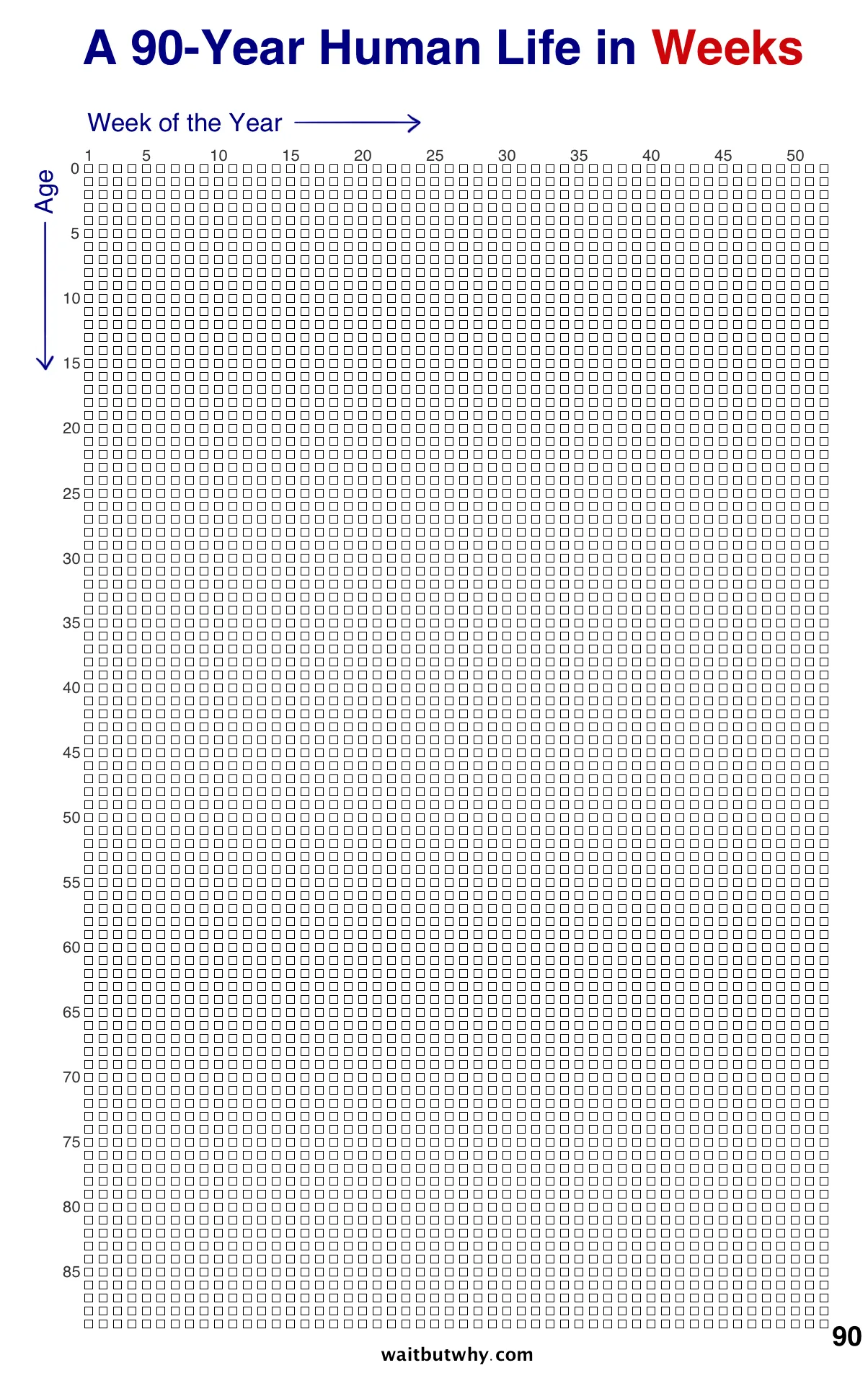
Key Takeaway: Procrastination is a universal challenge that often stems from our brain's preference for immediate gratification. While deadlines can ignite the "Panic Monster" and force us to act, long-term goals without deadlines leave us vulnerable to endless procrastination. To overcome this, we need to manage the balance between enjoyment and productivity, learning to tackle tasks before the "Panic Monster" appears.